Anal


What Are Analytics and Reporting?

Analytics is process of collecting, organising, and analysing data to identify patterns, trends, and actionable insights. Analytics involves using tools and methods to interpret raw data and convert it into meaningful information.

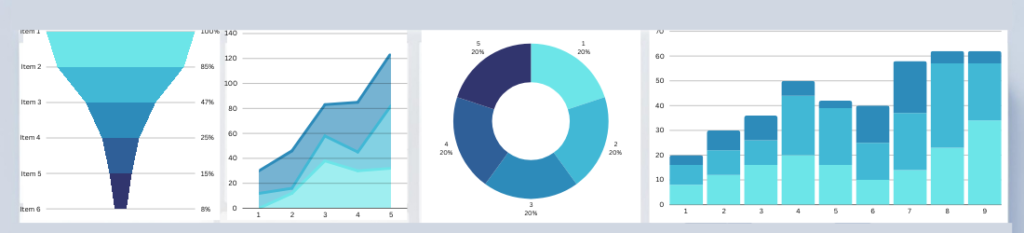
Reporting is the process of summarising and presenting data in an easy-to-understand format. Reports often include charts, graphs, and tables to showcase key metrics and performance indicators.

Together, analytics and reporting allow businesses to monitor their performance, understand customer behaviour, and make data-driven decisions.


Why use SMB Digital Solutions all-in-one marketing platform for analytics and reporting…


Why Are Analytics and Reporting Important for a Small Business?

improved decision making

Data-Driven Strategies: Analytics helps small businesses make informed decisions rather than relying on intuition or guesswork. For example, analysing sales data can reveal which products are most profitable.

Risk Reduction: By understanding trends, businesses can identify potential issues before they become significant problems.

better understand customers

Behaviour Insights: Analytics provides information about customer preferences, buying habits, and pain points. This enables small businesses to tailor their offerings and marketing strategies.

Personalised Marketing: Understanding your audience allows for more targeted and effective marketing campaigns.

OPTIMISED MARKETING EFFORTS

ROI Measurement: Analytics shows which marketing campaigns yield the best results, enabling businesses to focus their budget on strategies that work.

Conversion Tracking: Reporting can reveal how effectively leads are turning into customers.

performance measurement

Track Progress: Reporting helps businesses monitor progress toward goals, such as revenue targets or customer acquisition numbers.

Identify Strengths and Weaknesses: Pinpoint areas that are performing well and those that need improvement.

GOAL SETTING AND ACHIEVEMENT

SMART Goals: Analytics provides the data needed to set Specific, Measurable, Achievable, Relevant, and Time-bound (SMART) goals.

Real-Time Tracking: Reporting tools allow businesses to monitor progress toward these goals in real-time.

FINANCIAL OVERSIGHT

Revenue Tracking: Regular reporting on income and expenses helps small businesses manage cash flow and plan for growth.

Cost Analysis: Analytics helps identify areas where expenses can be reduced without compromising quality.